
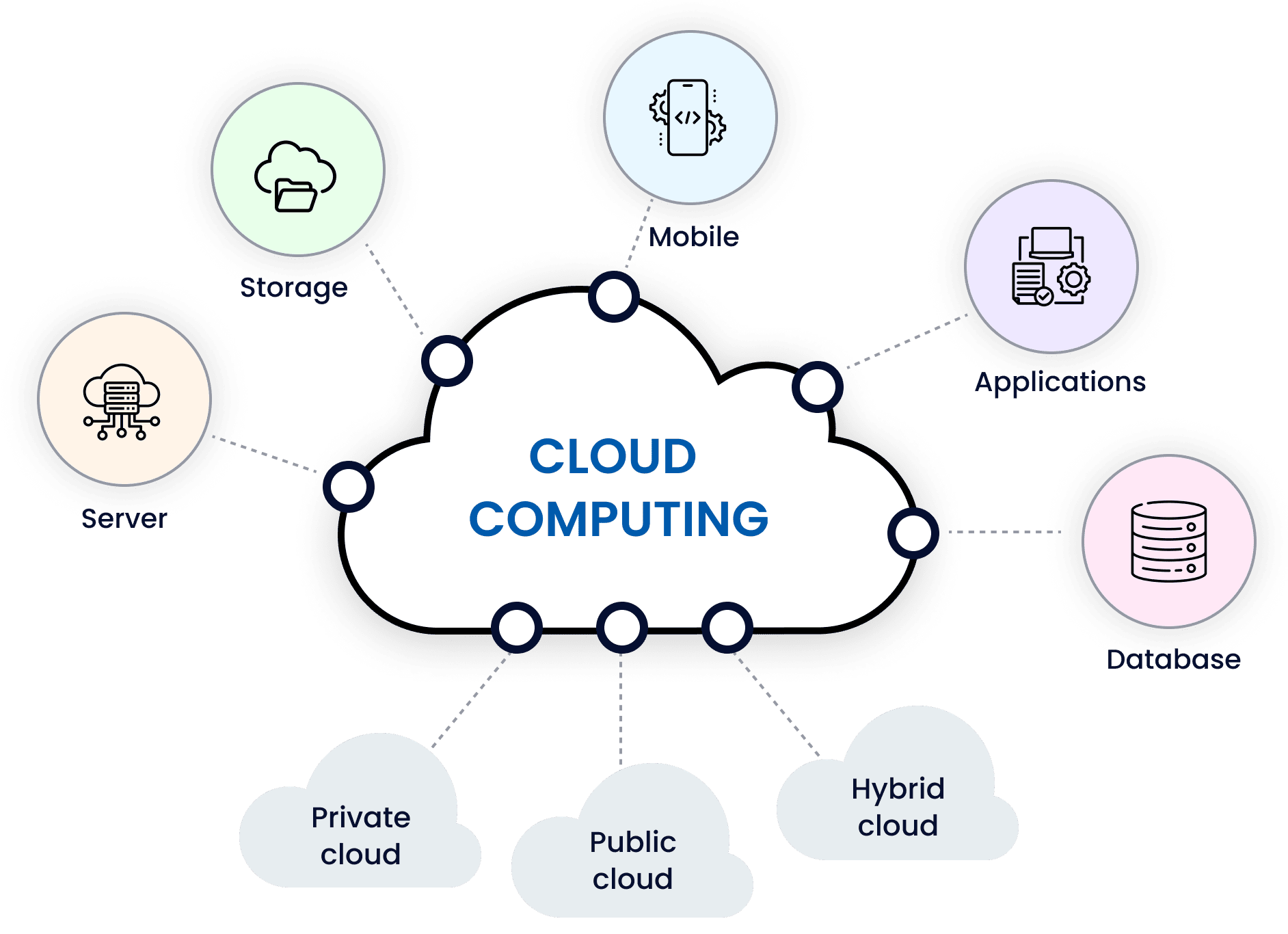
Cloud computing has changed how digital services are created, delivered, and maintained. By moving computing resources to internet-based platforms, the cloud removes many limitations of traditional systems. This shift allows individuals and organizations to operate with greater speed, flexibility, and efficiency.
A Simple View of Cloud Computing
Cloud computing refers to using remote servers to store data, run applications, and manage computing power. Instead of relying on local machines or physical servers, users access resources through secure online environments.
This model simplifies technology management and reduces the need for costly infrastructure. Cloud platforms are designed to grow and adjust as requirements change.
Why the Cloud Matters Today
Modern digital environments demand adaptability. Cloud computing supports this by offering on-demand access to resources.
Whether handling increased traffic, launching new services, or supporting remote teams, cloud systems make adjustments quickly without disrupting operations. This responsiveness is a key advantage.
Everyday Dependence on the Cloud
Many daily digital activities rely on cloud infrastructure. File storage, video streaming, online collaboration, and software updates all depend on cloud services.
For businesses, the cloud supports customer systems, analytics, and application development. These tools help organizations operate efficiently and remain competitive.
Performance and Reliability
Cloud platforms are designed for consistent performance. Data and applications are distributed across multiple locations, which reduces the impact of technical failures.
Automatic updates, monitoring, and backup systems help ensure continuity. This reliability allows users to trust cloud-based solutions for critical operations.
Security and Data Protection
Security is a core concern in cloud computing. Providers invest heavily in protective technologies such as encryption, monitoring, and access management.
At the same time, users share responsibility by managing permissions and following best practices. Awareness and careful usage strengthen overall cloud security.
Cost Efficiency and Smart Resource Use
Cloud computing follows a pay-as-you-use model. This helps control expenses by matching costs with actual usage.
Organizations avoid large upfront investments and gain better visibility into spending. This financial flexibility supports sustainable growth.
Supporting Innovation and Change
The cloud encourages innovation by lowering technical barriers. New ideas can be tested quickly without heavy infrastructure commitments.
This environment supports continuous improvement and rapid adaptation to change. The cloud becomes a foundation for future-focused development.
Looking Ahead
As technology evolves, cloud computing will remain central to digital progress. Understanding cloud concepts empowers users to make informed choices and use technology more effectively.
Adapting to cloud-based systems supports resilience and long-term success.